


Can Replaceable Hydrogen Capsules Make Zero-Emission Cars More Practical?
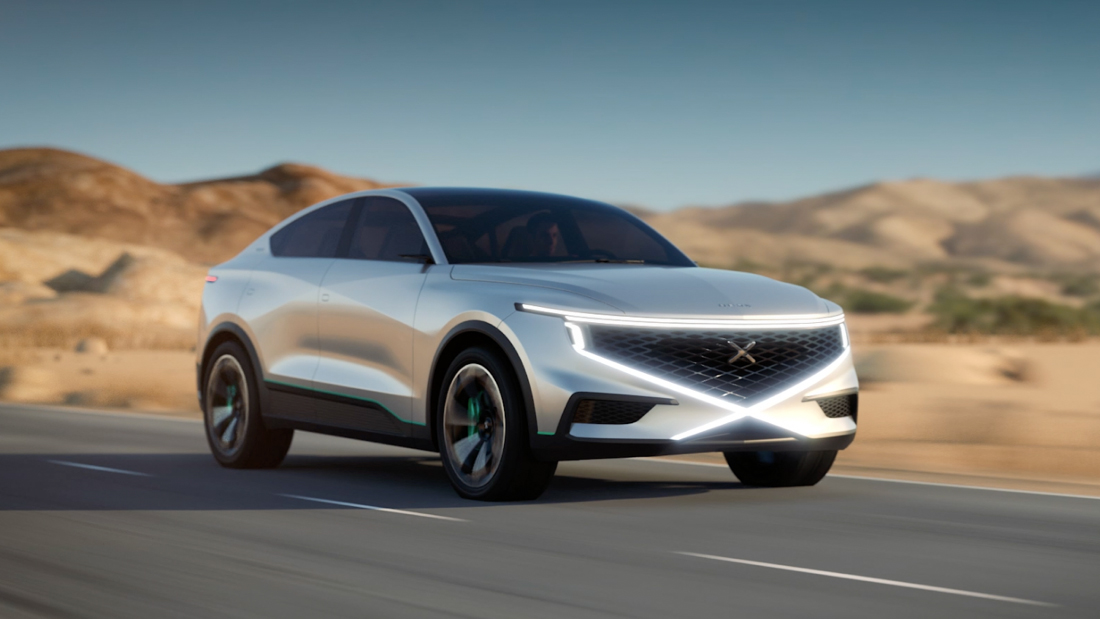
The NamX HUV is a hydrogen-powered concept SUV designed to deliver an estimated driving range of up to 932 miles (1,500 km) while addressing two major challenges of electric vehicles—long charging times and range anxiety. Unlike battery-electric vehicles, the NamX HUV can be refueled in just a few minutes using hydrogen.
What sets the vehicle apart is its replaceable hydrogen capsule system. Alongside a built-in hydrogen tank, the SUV can carry removable hydrogen capsules that can be swapped when empty, potentially reducing reliance on conventional hydrogen refueling stations. The concept aims to make hydrogen more accessible, particularly in regions with limited fueling infrastructure.
Huawei Mate 80 Series Sales Surpass 8 Million Units Ahead of Mate 90 Launch
Hydrogen fuel cell vehicles generate electricity by combining hydrogen and oxygen, producing only water vapor as their tailpipe emission. While hydrogen-powered transportation has existed for decades—from early experimental engines to vehicles such as the Toyota Mirai—high production costs, storage challenges, and a lack of refueling stations have limited widespread adoption. Although the NamX HUV is still under development, its portable hydrogen capsule technology could offer a new approach to expanding zero-emission mobility if it proves commercially viable and cost-effective.

