


Robo-Taxis Over Roadsters: Investors Value Tesla’s AI Ambitions More Than Car Sales
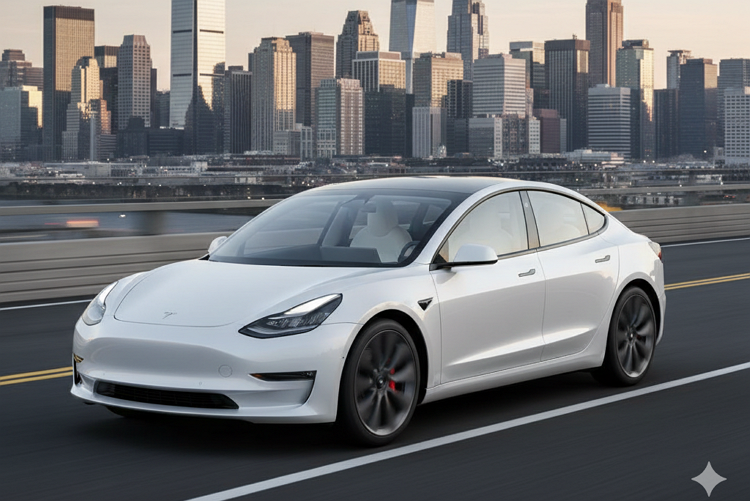
Tesla has officially launched a lower-priced version of its Model 3 sedan in Europe, listing the “Standard” version on its German website for about €37,000 ($43,000)—approximately $9,000 less than the premium model. This move, which follows the introduction of the cheaper Model 3 in the U.S. in October, is intended to help the company counteract recent sales declines.
BYD’s Sales Contract for Third Straight Month with 5.25% November Decline
The need for a sales boost is evident: Tesla’s vehicle sales in Germany were down 48% year-over-year through November, and EU-wide sales fell 39% through October 2025 compared to the previous year. Globally, the company is tracking toward its second annual sales decline, with figures down about 6% in the first three quarters of 2025. Despite these flagging auto sales, Tesla’s stock remained relatively stable in early trading on Friday.
The muted stock reaction highlights a significant shift in investor focus. Wall Street is increasingly prioritizing Tesla’s long-term Artificial Intelligence (AI) opportunities, such as robo-taxis and humanoid robots, over its core vehicle manufacturing business. For instance, a Deutsche Bank analyst attributes significantly more value to the potential revenue from robo-taxis ($148 of his $470 price target) and robots ($111) than to the traditional car business ($175), underscoring the market’s bullish bet on Tesla’s future as an AI and robotics giant.

